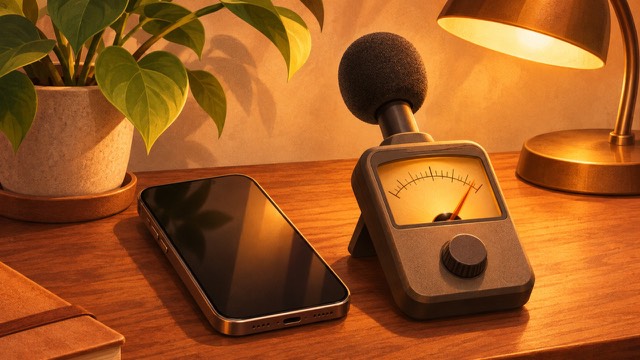
How to document noise: levels, times, and measurement locations

Useful noise records include the source, time, location, and measurement metric. Official measurements also have instrument, height, and background-noise requirements; phone records can help document when a disturbance occurs.
1. Record where the disturbance affects you
For sources such as factories, businesses, and construction, the standards allow measurement at the complainant's specified living location. Identify the affected address and room so officials can determine the measurement point.
2. Choose a representative time
The standards call for a representative noise period or one specified by the complainant. Note when the sound starts and stops and what equipment or activity is occurring to help officials plan a visit.
3. Keep the metric and measurement interval
Leq represents the energy average over an interval; Lmax is its highest level. Keep the metric and start and end times with the result so a number is not separated from its context.
4. Account for background noise and height
For official measurements the sensor is generally placed 1.2 to 1.5 meters above the ground or floor. The rules also require background-noise correction and specific measuring points; putting a phone right next to the equipment does not make a higher reading more valid.
5. Assemble the incident details
A pollution complaint needs contact details, a description, dates and times, a precise location, and supporting photos or video. Organize those details alongside measurements; official measurements still require the specified instruments.
Sources: oaout.moenv.gov.tw/law/LawContent.aspx?id=FL015476&kw=%E5%99%AA%E9%9F%B3%E7%AE%A1%E5%88%B6%E6%B3%95 · www.gov.tw/News_Content_26_756414 · apps.apple.com/tw/app/%E8%81%B2%E8%B7%A1-hearscape-%E5%99%AA%E9%9F%B3%E5%88%86%E8%B2%9D%E8%A8%88/id6836749497

 Hearscape